Upward Feedback: How Employees Can Give Continuous Input to Their Managers
Giving feedback to a boss feels like walking a tightrope. This guide provides the frameworks needed to turn awkward critiques into career-building conversations.

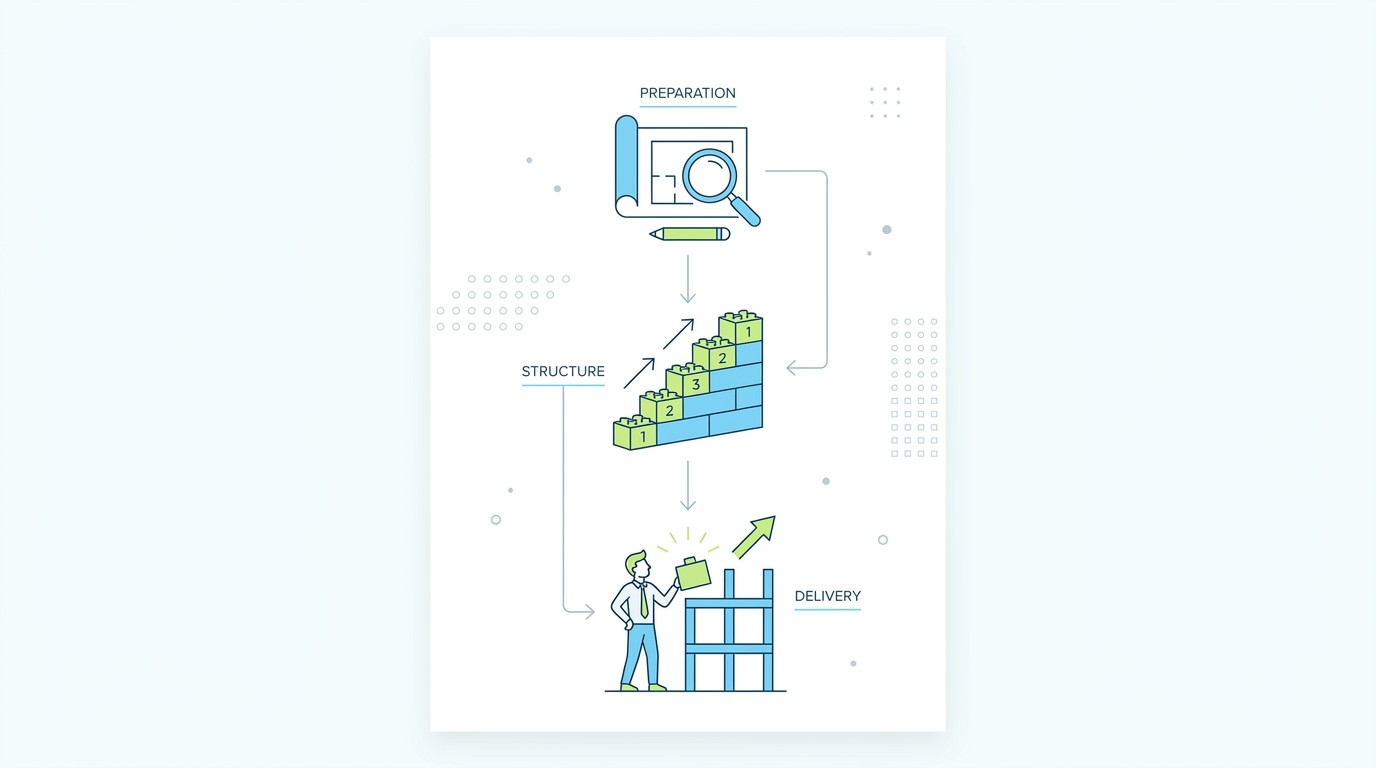
82% of workers would consider quitting because of a bad manager. Leaders often operate in a vacuum, unaware of the specific behaviors that stall their team's progress, and giving feedback to a superior feels risky. You worry about your career or the atmosphere in the office. The real risk is staying silent. Unaddressed issues lead to burnout and high turnover for the entire team. If you are looking for upward feedback examples for managers to make this transition easier, focus on being clear and helpful.
How To Prepare Your Feedback Framework
Before you speak, you need to have a plan. Rushing into a critique without one usually makes people defensive. According to the Gallup: State of the American Workplace, only 21% of employees feel like they have support. You can change this by making sure your feedback helps the team's goals.
Ask for permission to share feedback to make sure your manager is ready to listen. This simple step keeps them from feeling blindsided.
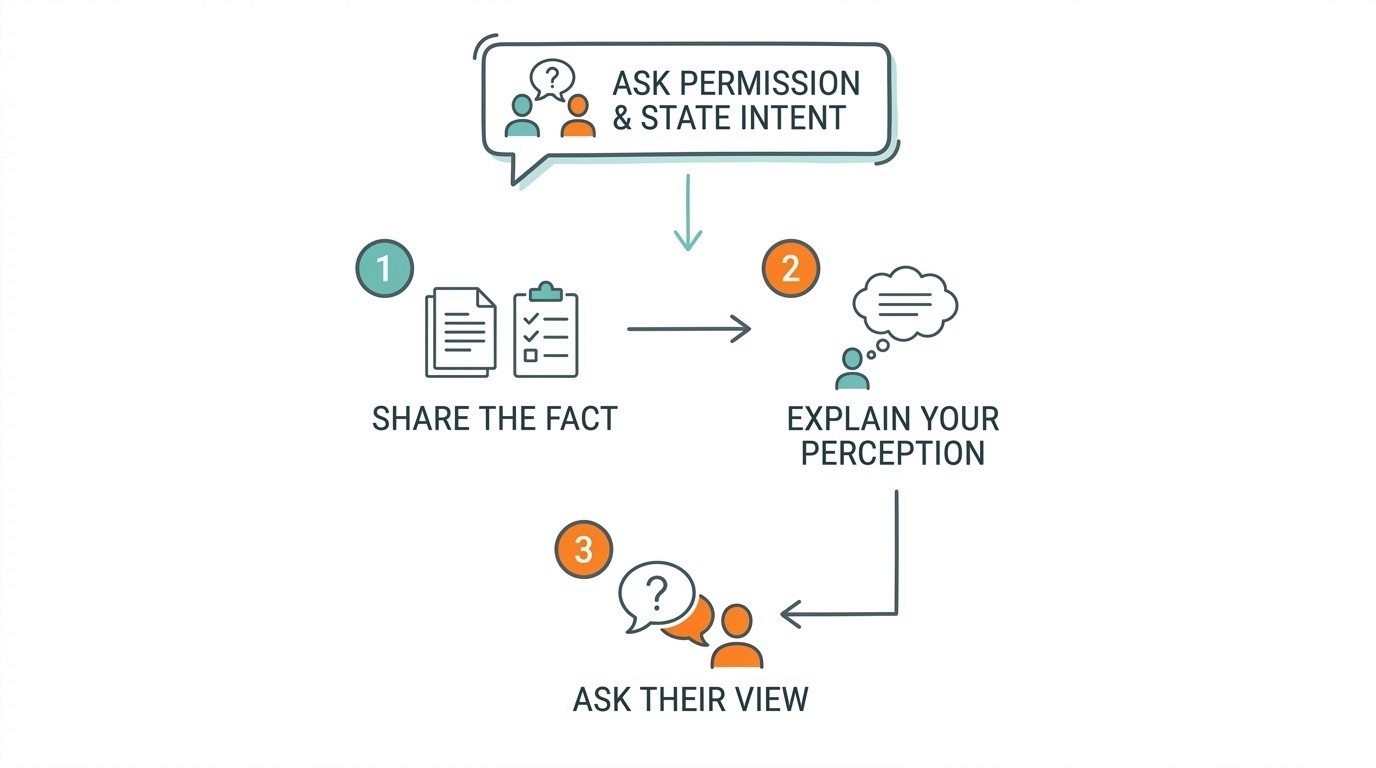
Next, use the Facts-Story-Ask model. Share the objective fact, explain how you see it, and ask for their take.
Get permission before you start the talk.
Define what you want to achieve with the conversation.
Stick to one or two specific habits.
Suggest a different way to handle things.
Upward Feedback Examples For Managers: Constructive Scenarios
Micromanagement and Autonomy
Context: You feel like you are being watched too closely on tasks you can do alone. This often happens when a manager is stressed about a big project.
Script: I like that you're involved, but I feel watched on tasks I can handle. Can we agree on specific times to check in instead?
Implementation: Use a shared project board where you update your status. Suggest a schedule where you meet every Tuesday to go over progress instead of getting random messages all day.
Decision-Making Context
Context: Your manager gives orders without saying why they matter. This makes it hard for you to pick what to work on first when new things come up.
Script: It would help if you could share the 'why' behind requests so I can prioritize better.
Implementation: Build a template for new projects that has a section for how it fits the big picture. During your next 1:1, ask how this specific task helps reach the goals for the quarter.
Workload and Distribution
Context: You see that some team members are doing much more work than others. This creates bottlenecks and burns out the best workers.
Script: I've noticed some team members seem like they have too much on their plate. Can we talk about how to balance the work?
Implementation: Take a list of your active projects to your next meeting. Use a simple chart to show where your time goes and see which tasks can go to someone else or wait.
Tip: Use 'I' statements to focus on what you are experiencing.
Positive Upward Feedback Examples
Recognition and Morale
Context: Your manager mentions your wins in front of the big bosses. This helps your reputation and keeps you interested in the work.
Script: I really value how you mention my work in team meetings. It makes me want to keep doing a great job.
Implementation: When you get a compliment, send a quick note explaining why it mattered. Mention that the public praise was helpful for your growth.
Tactical Clarity
Context: You leave meetings knowing exactly what the next three steps are. This stops the guesswork and lets you get to work.
Script: Your expectations are always clear. I leave our 1:1s knowing exactly what to do next.
Implementation: Send an email after your 1:1 that lists those steps. This encourages the manager to keep giving clear instructions and gives you a record of what was said.
Operational Autonomy
Context: You were put in charge of a project from start to finish. This let you solve problems in your own way without waiting for an okay at every step.
Script: I appreciate the freedom you gave me on the last project. It helped me solve problems faster.
Implementation: Set up a quick meeting to show the results of your choices. Point out a specific problem you solved on your own to show that you can be trusted.
Using Zal.ai To Facilitate Continuous Feedback
Using a system for feedback helps take away the fear of getting in trouble. You can use Zal.ai to make these talks a normal part of your week.
The platform provides 1:1 meeting templates that ask for upward input. This makes sure the talk happens even if you feel a little nervous about starting it. AI tools in the platform help managers see the main themes from many reports. This keeps your feedback useful while protecting your identity if you need it.
The Limits of Upward Feedback
Direct feedback is not always the safest choice. If you don't trust your boss, you need a different plan. For policy breaks or harassment, don't bother with a feedback talk. Go straight to formal reporting channels. These issues are too big for a performance talk.
Turning Feedback Into Culture
How a manager acts when they get their first piece of upward feedback is the most important part. It shows if the team will ever feel safe being honest again. Feedback is a two-way conversation. It isn't a guessing game. By giving clear notes, you help your leader help you.This loop of talking builds a strong culture where everyone has the info they need to get better. Start with small things and focus on the goal of making the work better for everyone.