Embracing Personality and Work Style Differences in the Workplace
Thought leader Sarah King talks what it takes for HR to create a workplace that truly serves all of its workers
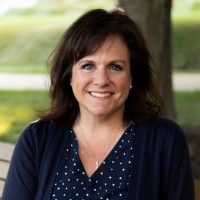

For over two decades, Sarah King has been a changemaker in people operations for some of the most prominent skilled trade corporations in the state of Maine. From construction to healthcare, she has spearheaded efforts to create more proactively inclusive workplaces across labor industries. Last year, she began her own consulting firm, King Consulting LLC, to help executive teams pioneer human-centered workplaces “rooted in clarity, kindness, and accountability.”
When we sat down with King for our most recent Zal.ai Thought Leadership conversation, we asked her about what it takes to create a workplace that actually serves its workforce – one that is not just accepting of all work-styles, but one that is actively designed to help each and every team member thrive.
Zal.ai: How has your mindset shifted as you’ve gone from being Chief Human Resources Officer to an Executive Consultant?
Sarah King: I now have the space to do what I like to do: go down the rabbit holes that will help me learn new things to innovate in the people management space. One of the biggest restrictions as a CHRO is that you’re tied to one company’s corporate goals and have to spend most of your time completing those corporate tasks. As a consultant, I’m focusing my energy on finding new ways to convince executive teams that people-first management is not just a ‘nice to have’, but a ‘need to have’.
Why is this sort of management system a ‘need to have’?
If you think about it, companies have two main resources: you've got money and you've got people. Most companies are going to do everything they can to make sure the money's squared away. They’re going to make spreadsheets, they’re going to fundraise, they’re going to write grants, they’re going to shake hands and kiss babies so that investors will finance them. So why wouldn't you do the same for your people too?
Business leaders in a traditional mindset don't often think about how important the people are. They might say they care or that they want to care, but they aren’t equipped with the organizational neuroscience or psychology to really get there. As a consultant, I’m focused on constantly learning more about the tools available to help these teams succeed at people resources.
In your view, what is the most important takeaway business leaders can use from today’s developments in neuroscience and organizational psychology?
To me, it’s all about embracing neurodiversity. Everyone has their own unique work personalities and thinking processes even beyond those who aren’t neurotypical. Good people management is about understanding every worker, harnessing whatever makes them tick, and helping them be the best version of themselves, not who you think they should be.
What advice would you give an executive that doesn't have a framework or approach that will help them embrace neurodiversity as a competitive advantage?
Brene Brown's recent book Strong Ground talks about how you can't pile things up on a dysfunctional platform. So first you've got to get the platform straight, and the easiest way that I know to get the platform straight is to focus on your mission, vision, and values.
That's what I tell a client who asks for a performance appraisal. It’s impossible to have a performance appraisal until you understand your mission, vision, and values. A performance appraisal isn't just about the template we use to organize our thoughts; it's about the conversations we're having before, after, and during the review. We can't even create the template without an understanding of company culture.
You need to understand your KPIs to figure out the baseline for your people-first framework. If you haven't figured that out yet, it's okay, we can sit down and talk about what that looks like. Then we have to focus on the approach to rolling your system out.
What would you highlight about this specific rollout?
One, people need to clearly understand their overall expectations and two, they need to know that everyone around them is also being held accountable. Human nature tells us that everyone wants clear expectations. In addition, if someone knows their expectations and are being held accountable to them, but they think that you aren’t holding their peers similarly accountable, your system’s foundation will crumble.
Holding everyone accountable is tough because everybody brings their own stuff to the table. At a past company, I loved it when they talked about mental health because they said, everyone brings their backpack to work and their backpack is full of everything unique to themselves. One of the things that they bring are the different ways that they think. You can only successfully roll out a framework if you embrace this difference in thought.
Since you’ve spent nearly half of your career working in skilled trade industries, how does this diversity of thinking reveal itself in those spaces?
The trades are traditionally great for many neurodiverse people, especially those with attention deficits. Some of the most skilled and brilliant folks in the trades are those who gravitate towards physical activity or something tactile because it helps them think. So much of my work is about finding ways to make the workplace and the performance management systems more conducive to them.
How exactly does HR fit into embracing neurodiversity? How do you work with every employee to design a role that works for them?
The ADA recognizes many neurodiverse people under its protected classes. We are not trained medical professionals, so it would be wrong for us to label or diagnose anyone, but we can understand that everyone brings something different to the table. The easiest way to serve them is to find out what their specific motivations and goals are. It's that simple. For example, someone who tells you that they work better when they socialize might not want to work remotely.
The questions we should ask neurodiverse people to better understand how they think and what motivates them are really no different than what we should be asking neurotypical people. We all think differently, we just need to do a better job understanding those we're responsible for leading and developing.
Our role is to listen to what they need and translate that into practical, actionable supports, not to analyze why they operate differently.
How does this mindset then filter into performance management and feedback conversations?
In a performance management situation, it is all about understanding what motivates the employee. If you understand what they like about coming to work every day, you can think through what you can do better for them.
If a manager is giving somebody feedback by telling them that they need to take on more responsibility in order to become the next manager, it’s only effective if the employee actually wants to become a manager. What if they just want to be really great at what they do and make as much money as possible in the role they already have? If this is the case, feedback to help them eventually become a manager is totally missing the mark.
Everything we discuss as people leaders has to be tangible. We cannot and should not diagnose somebody psychologically. Instead, we can create an inclusive space by knowing their motivation and their goals, setting clear expectations, and then holding them accountable.