Managing Decentralized Talent: How Performance Systems Can Optimize Performance for Remote and Hybrid Teams
Performance management in 2026 must shift from annual reviews to continuous, AI-augmented dialogues. This guide covers the best practices for managing global, decentralized talent.

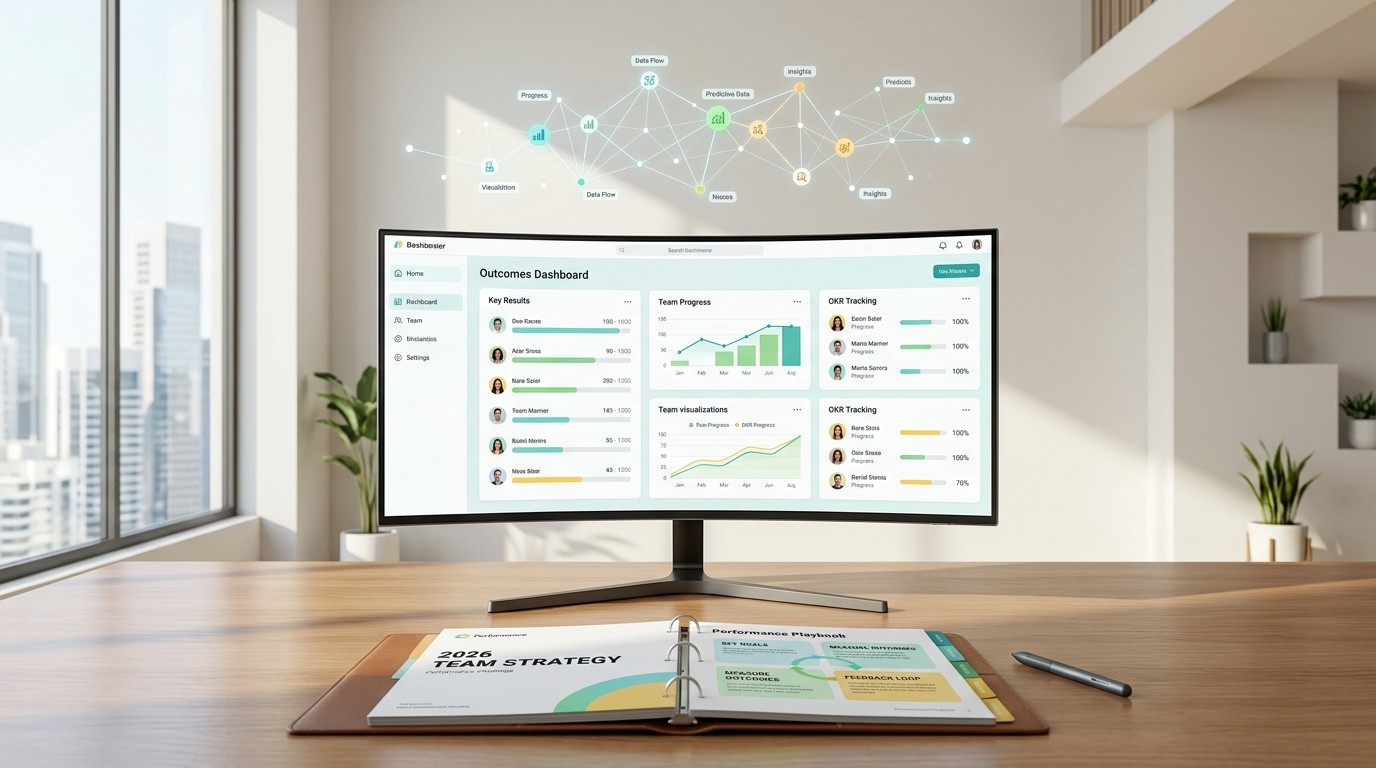
Most traditional performance systems were built for factory floors where output was significantly different than it is for most teams today. In a decentralized world, high-performance work is about cognitive impact and creative problem-solving. The companies who fail to adapt are losing their best talent to companies that value employee development and growth.
You cannot manage a remote team using the same tools you used in 2019. The game has changed from surveillance to enablement. If you do not have a system that tracks outcomes automatically, you are essentially flying a plane with no instruments. Modern talent demands a framework that respects their autonomy while providing crystal-clear expectations and real-time coaching.
Performance management is no longer a static yearly review, it is a continuous, AI-driven dialogue that powers growth. High-performing decentralized teams are shifting toward outcome-based models to drive measurable business impact.
How Outcome-Based Performance Management Can Change the Workplace
Outcome-Based Performance Management evaluates success through quantifiable deliverables and strategic impact rather than hours logged. This model eliminates the need for invasive surveillance and replaces it with trust-backed accountability. This allows employees to work in ways that suit their own workstyles. For example, employees can engage in microshifting: taking short, non-linear blocks tailored to their personal peak productivity windows.
This flexibility requires managers to move from a role of criticism to one of coaching. The focus is no longer on identifying what went wrong in the past, but on enabling what can go right in the future.
How to Build an Outcome-Based System for Distributed Teams
Transitioning to an outcome-based system requires a total shift in how you define work. Start by building a framework that relies on data rather than observation. This ensures that every team member knows exactly what success looks like without needing a manager to hover over their shoulder. Teams that integrate performance metrics directly into their project management tools see significantly higher alignment. You must focus on the quality and timeliness of deliverables as your primary source of truth.
Implementation Steps
Define clear, measurable OKRs and KPIs at the individual and team levels.
Establish a continuous feedback cadence using weekly or bi-weekly digital check-ins.
Shift evaluation metrics from input hours to output quality and timeliness.
Train managers in Remote Performance Leadership with a focus on coaching.
Conduct regular pulse surveys to monitor engagement and prevent burnout.
The AI Advantage: Manager Command Centers and Automated Insights
AI has moved beyond simple automation to become a strategic partner for remote managers. In 2026, Manager Command Centers are the standard for high-performing teams. It prevents the recency bias that often plagues annual reviews in fast-moving remote environments. Managers can now see a holistic view of contributions that might otherwise go unnoticed.
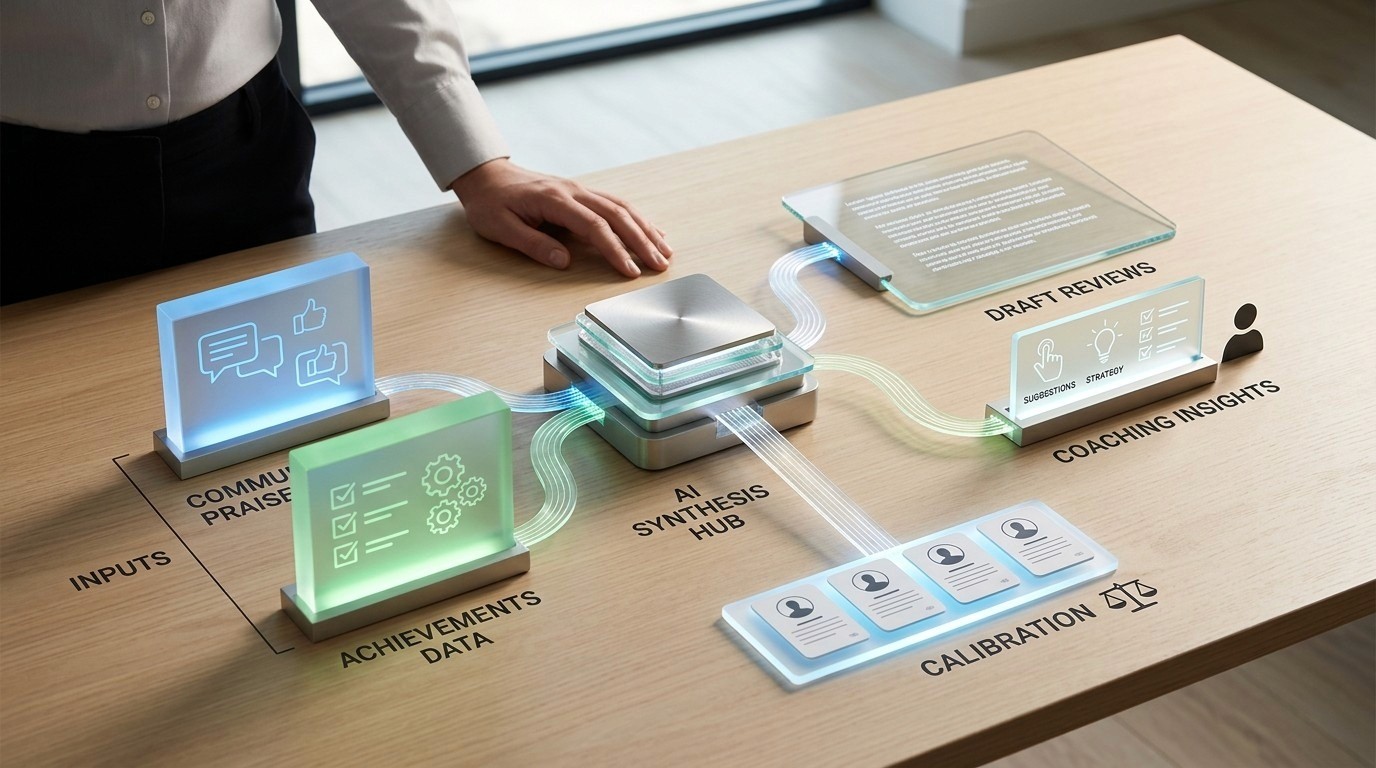
Automated insights also provide real-time coaching feedback. This level of support supports every manager into becoming a high-level coach regardless of their previous experience.
Common Mistakes in Remote Performance Management
The biggest threat to a fair remote culture is visibility bias. This occurs when managers subconsciously favor employees they see more often in person or those who are more vocal in synchronous meetings. Focusing on butts-in-seats metrics is a guaranteed way to drive away your high-performing quiet achievers. If your system rewards the person who replies fastest to every Slack message, you are measuring availability, not impact.
Another common error is relying on the annual review. In a decentralized, high-velocity world, a performance conversation that happens once every twelve months is obsolete by the time the meeting ends. Remote work requires a constant loop of feedback to prevent drift and misalignment.
Future-Proofing Your Performance Strategy
Transitioning to a modern performance system is not just about software, it is about culture. By embracing outcome-based management and AI-augmented coaching, you create an environment where talent can thrive regardless of their physical location. The right platform transforms performance from a tedious annual chore into a continuous engine for growth. When you prioritize clear expectations and data-driven feedback, productivity and retention will naturally follow. Start by auditing your current metrics and choosing a tool that fits your team's unique rhythm. The future of work is decentralized, but your performance strategy must be unified.