Best Culture Amp Alternatives for Companies Prioritizing Real-Time Feedback
Culture Amp is great for sentiment, but these 2026 alternatives excel at real-time action. Compare the top performance management tools for driving manager effectiveness and team engagement.

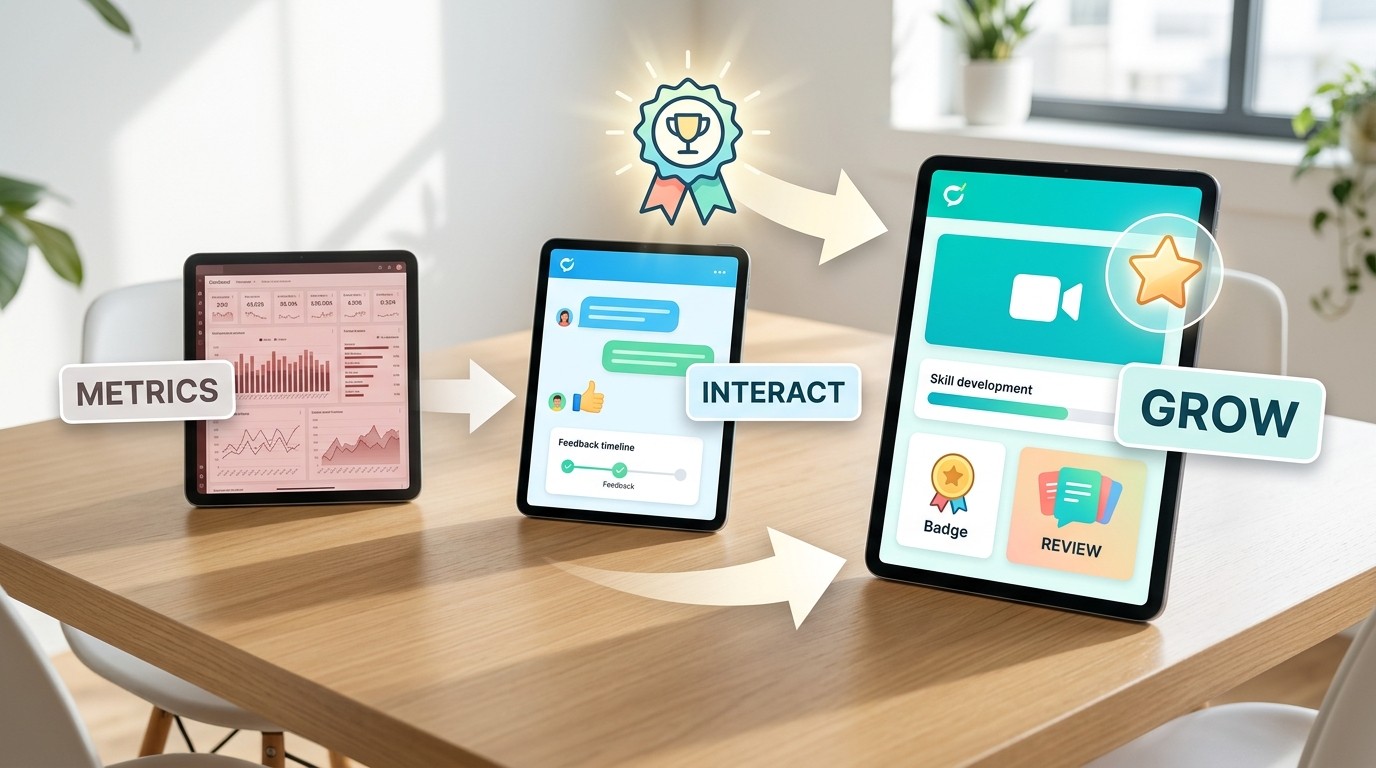
Most companies have way too much survey data but no real results. They spend almost their whole people budget measuring feelings while giving only 10% to the actual work that helps them grow.
This is the measurement trap. It turns performance management into a boring academic task rather than a tool for leaders. When hunting for Culture Amp alternatives for performance reviews, keep in mind that the big shift in 2026 is moving away from basic platforms toward outcomes engines that predict turnover and risks before they happen.
The Quick Verdict: Which Culture Amp Alternative Wins?
If you need to fix the way managers and employees talk, 15Five is the best bet for weekly check-ins and coaching. Lattice is still the top pick for companies that need a direct link between reviews and raises.
For teams that never want to leave their chat apps, Teamspective and Windmill get the most use because they live inside Slack or Microsoft Teams. These tools make sure feedback happens while people are actually working instead of just once a year.
The 2026 Performance Platform Scorecard
Selecting the right tool requires balancing your need for deep data with the reality of employee adoption. High-complexity tools often fail because they require employees to leave their daily workspace too often.
Tool | Price | Best For | Pros |
|---|---|---|---|
Lattice | Mid-High | Structured HR Teams | Deep compensation and OKR sync |
15Five | Mid-Range | Manager Growth | Weekly AI-coaching and check-ins |
Leapsome | Mid-Range | All-in-One Suites | Unified L&D and performance |
Teamspective | Low-Mid | Remote/Engineering | 98% engagement via Slack/Teams |
Windmill | Variable | AI-First Teams | AI-drafted performance narratives |
PerformYard | Custom | Custom Workflows | Total flexibility for review forms |
Workleap | Low | Lightweight Teams | Simple pulse surveys and UX |
You can find more detailed breakdowns in the Leapsome Platform Comparison.
1. 15Five: The Manager Effectiveness Specialist
15Five works best for teams where the yearly review feels more like a post-mortem than a plan. it focuses on keeping managers and employees talking all year long.
Core Features: Weekly check-ins, high-fives for peer thanks, and AI assistants for manager coaching.
Tradeoff: It might feel like too much for teams that prefer to work in long blocks without regular updates.
Verdict: Pick this if your managers need help doing something with feedback rather than just reading it.
Implementation: Connect your HRIS to get your data moving and then set up the High-Five tool to help people recognize their peers in your chat apps.
If you want to help managers grow, 15Five is a great fit.
If you need constant touchpoints, use the weekly check-in tool.
If you have a small team, start with the basic plan to keep things simple.
Note: Use the AI coaching hub to help new managers write helpful feedback that fits your company values. You can find more details on the 15Five Pricing and Features page.
2. Lattice: The Integrated People Success Standard
Lattice is the main choice for companies that want to step up their people strategy. It is built for teams that need a clear link between performance stats, goals, and pay changes.
30% jump in employee engagement reported by Lattice users.
Core Features: Built-in OKRs, automatic pay cycles, and 360-degree reviews.
Tradeoff: The platform is very deep and can feel like a lot for small startups without a full HR lead.
Verdict: This is the standard for companies that want a tight link between performance and pay.
Implementation: Map your company goals to individual paths and turn on the compensation tool to handle raises automatically.
Check your current review forms before moving them over.
Link Lattice with your main HRIS like BambooHR or Rippling.
Set up Slack for automatic reminders.
Show managers how to use the private 1:1 tool for notes.
For more details, see the Lattice Product Overview.
3. Leapsome: The All-In-One Modular Suite
Leapsome uses a flexible setup that lets you build your HR tools as you grow. It works well for mid-sized companies that want to mix learning and training with performance reviews.
Core Features: 360 reviews, custom learning paths, and an all-in-one mood tracker.
Tradeoff: Because it does so many things, it might not feel as specialized in one area as other tools.
Verdict: Good for companies that want to keep performance and learning in one spot instead of using too many tools.
Implementation: Start with the performance tools and slowly add learning paths as your hiring needs grow.
Rule: Never launch performance reviews and new training modules at the same time so you do not burn out your team.
4. Teamspective: The Flow-of-Work Native
Teamspective is built for the modern remote team that lives in Slack or Microsoft Teams. It utilizes Organizational Network Analysis (ONA) to provide feedback based on who is actually collaborating.
98% monthly engagement rate achieved by platforms that stay inside Microsoft Teams.
Core Features: Pulse surveys in chat, ONA collaboration mapping, and instant peer feedback triggers.
Tradeoff: It lacks the deep compensation and heavy HRIS features found in traditional enterprise platforms.
Verdict: The best choice for engineering or product teams that hate logging into external HR portals.
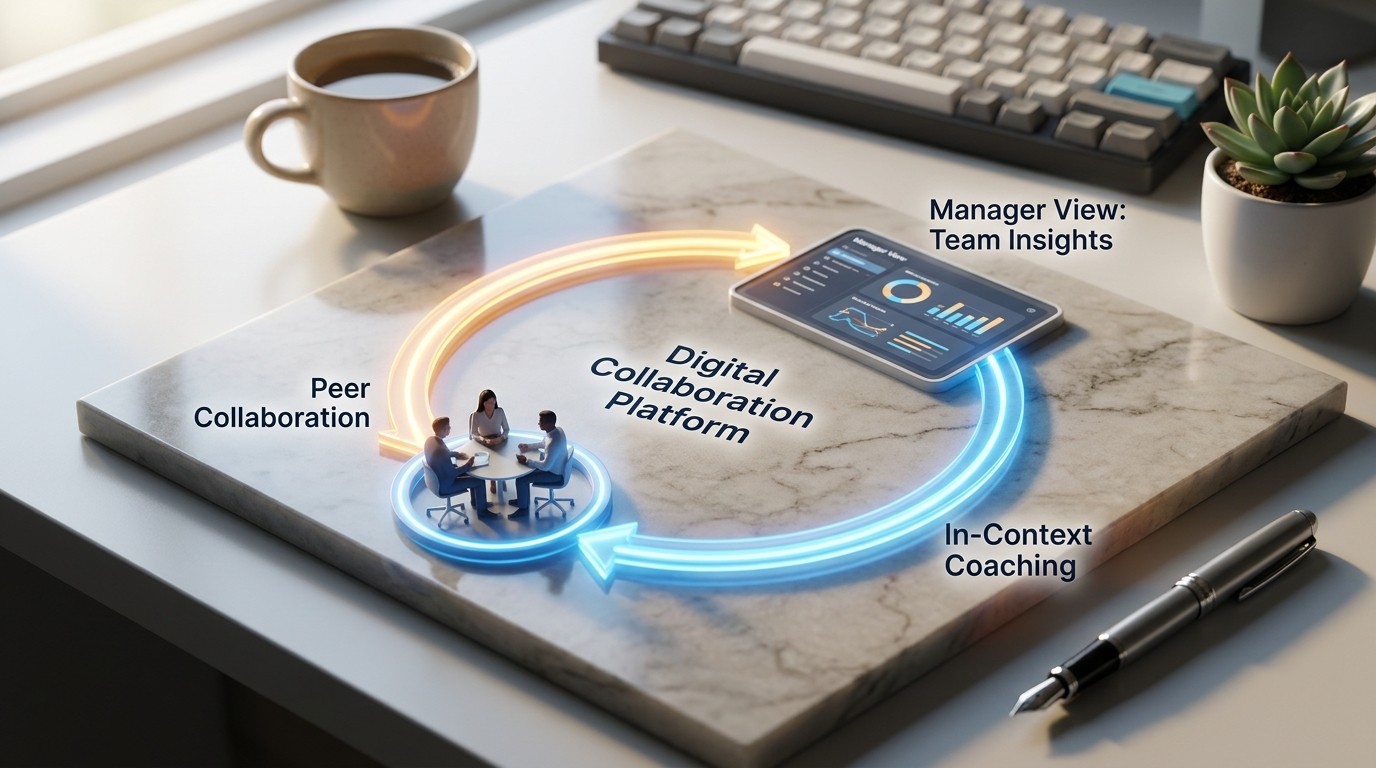
Implementation: Install the app in your workspace and use the command line to trigger peer reviews after project milestones.
5. Windmill: The AI-Driven Conversational Assistant
Windmill uses an AI named Windy to handle the grunt work of performance management. It spots how people work together and who might leave by looking at daily signals.
Core Features: AI-written review drafts, automatic mood checking, and reviews that live in Slack.
Tradeoff: Teams that do not trust AI-written text might find the reviews feel a bit cold if they aren't edited.
Verdict: The most creative choice for teams that want to automate the writing part of reviews.
Implementation: Add Windy to your Slack workspace and let the AI learn how your team talks for 30 days.
Example
An engineering lead uses Windy to recap what a developer did over six months. The AI looks at Slack updates and project notes to write a review narrative in a few seconds.
How to Transition from Culture Amp Without Breaking Your Culture
Switching from Culture Amp is about getting people to use the tool, not just looking at the math. If your team does not use the new tool every day, the data will be useless.
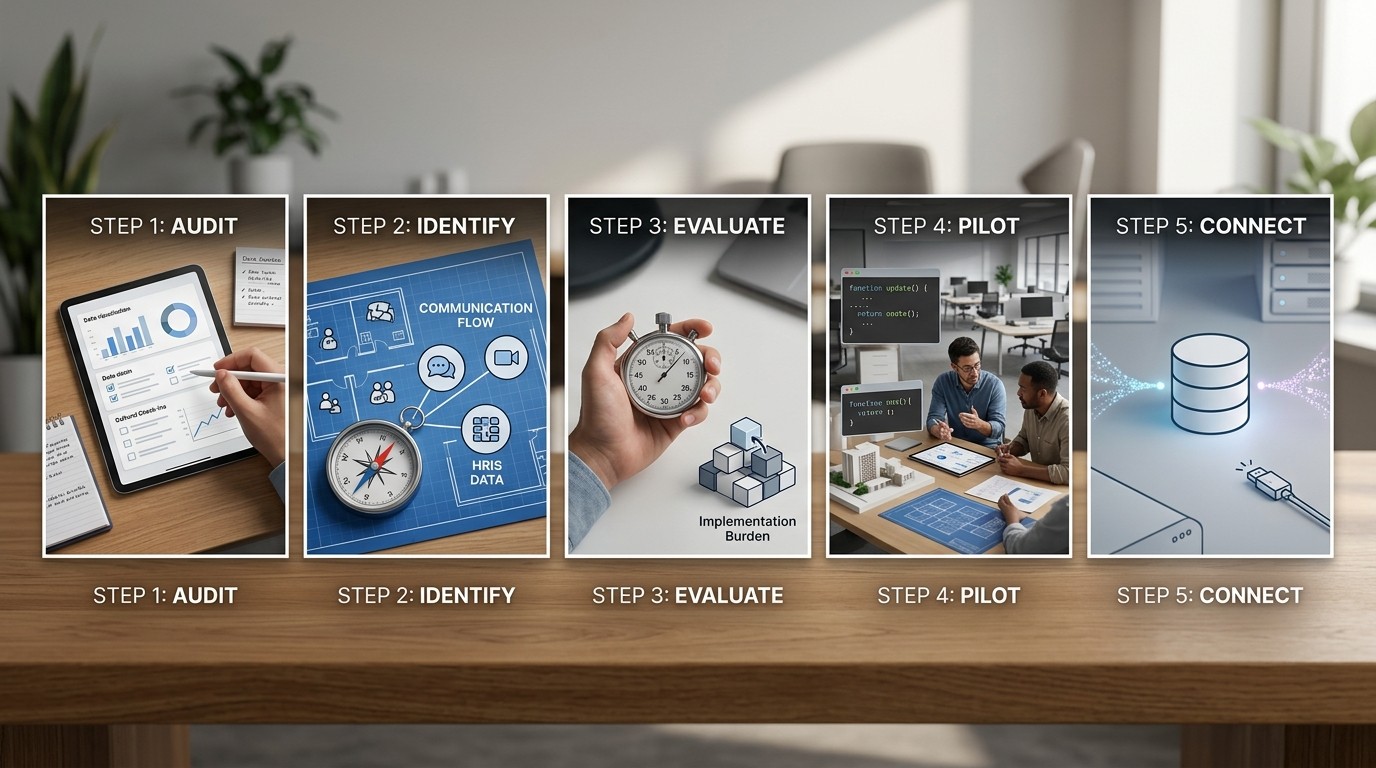
Find your main workspace: See if your team spends their day in Slack, Teams, or a browser.
Check the setup work: Pick a tool you can start using in 48 hours if you do not have a big HR team.
Do a test run: Test how people give feedback with one department, like Engineering, before everyone gets it.
Pick your main skills before moving data.
Fix your HRIS records so the reporting lines are right.
Pick a hard date to stop using the old system.
Do a 15-minute demo to show employees how this helps them.
3 Critical Mistakes to Avoid During Your Search
Small teams often buy big tools that need a full-time person to manage. This leads to low use and wasted money on features you will never touch.
Picking a tool that makes employees leave their daily workspace is a bad move. If a developer has to log into a separate site just to say "thanks" to a teammate, they simply won't do it.
Pitfall: Treating performance reviews as once-a-year events instead of ongoing loops is the fastest way to lose your best people.
Performance Review Platform FAQ
Is real-time feedback better than annual reviews?
Real-time feedback creates up to 30x more feedback than annual cycles. It lets you fix problems right away instead of waiting months after a project is done.
Can these tools integrate with my current HRIS?
Most modern tools like Lattice and 15Five link directly with BambooHR, Rippling, and HiBob. This keeps your team list and data updated automatically.
Do I need a dedicated HR person to run these platforms?
Lattice and Leapsome work best with an HR lead, but Slack tools like Teamspective are often run by department heads or team leads.
How does AI help in performance management?
AI is used to recap feedback, write review drafts, and spot signs of burnout. it stops managers from having to start with a blank page during review season.
Stop Measuring Sentiment and Start Driving Performance
Culture Amp is great for big data and research, but it is not always the best fit for daily tracking. If your goal is to change how people act right now, you need a tool that lives where the work happens.
Success depends more on your manager training than the software you buy. Pick a tool that your team actually likes using and the data will follow. Start by checking how often you give feedback now to see where the gaps are.