The 7 Best Performance Review Platforms for SMBs with Goal Alignment
Scaling an SMB is impossible without goal alignment. We've ranked the top performance review tools that help small teams connect individual progress to company-wide success.

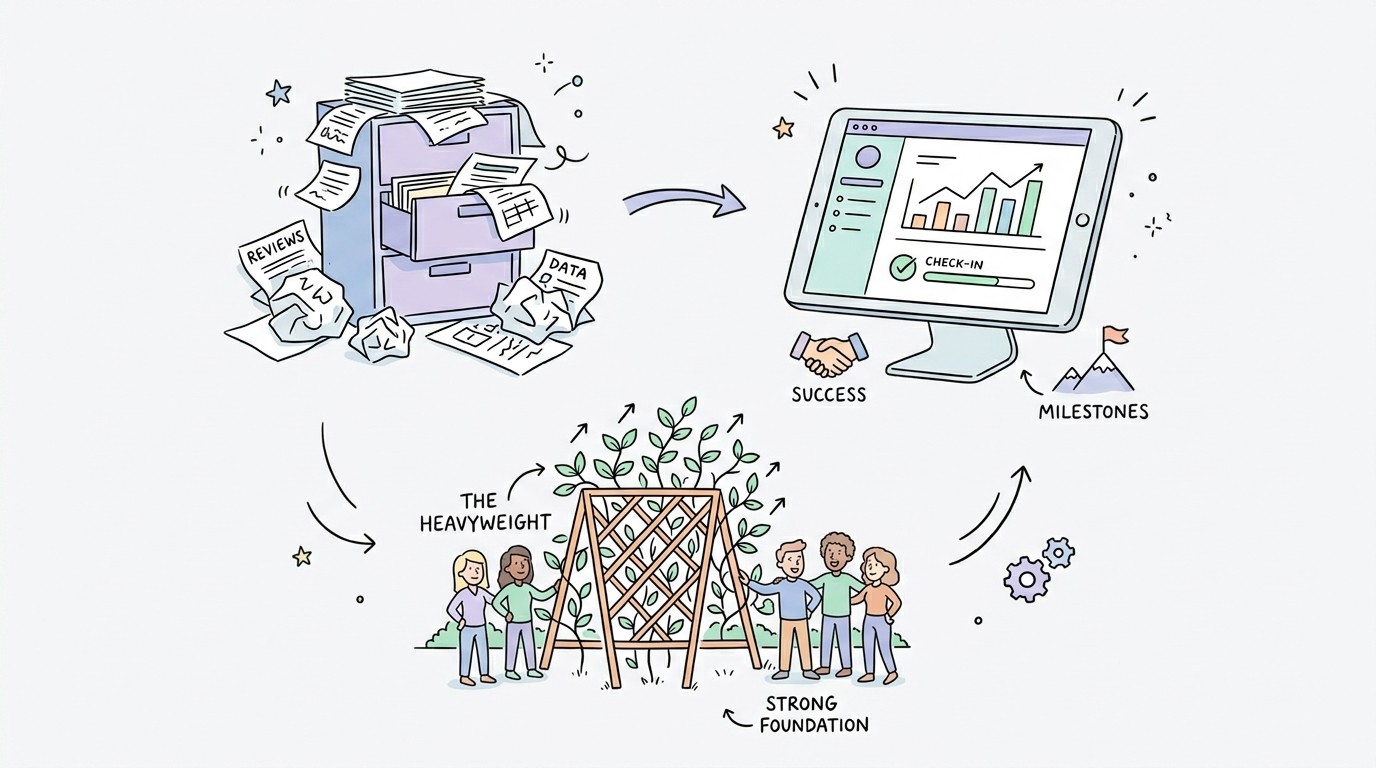
Your company's growth is dying in a cell labeled B12. Spreadsheets offer a static snapshot of the past rather than a roadmap for the future.
Manual tracking is a culture killer because it turns performance into an administrative chore rather than a developmental opportunity.
Managers are already drowning in tasks and lack the tools to lead effectively. Annual reviews feel like a surprise attack when goals are set and forgotten.
This chaos leads to version control nightmares where nobody knows which document is current. You cannot build a high-performance team on fragmented data and broken links.
Executive Summary: The Best Fits For 2026
Choosing the right tool depends on your immediate growth stage and existing tech stack.
Lattice: The top choice for fast-growing teams needing deep career tracks.
Effy AI: Best for rapid, 90-second review generation with minimal setup.
BambooHR: The ideal pick for centralizing performance within an all-in-one HRIS.
15Five: Best for companies prioritizing weekly engagement and continuous feedback loops.
1. Lattice: The Heavyweight For Fast-Scaling Teams
Lattice Performance Management transforms the traditional review from a document into a living employee file. It connects individual progress directly to company-wide OKRs.
This level of depth is vital for teams scaling from 50 to 500 employees. Static spreadsheets cannot capture the richness of career growth patterns over years of service.
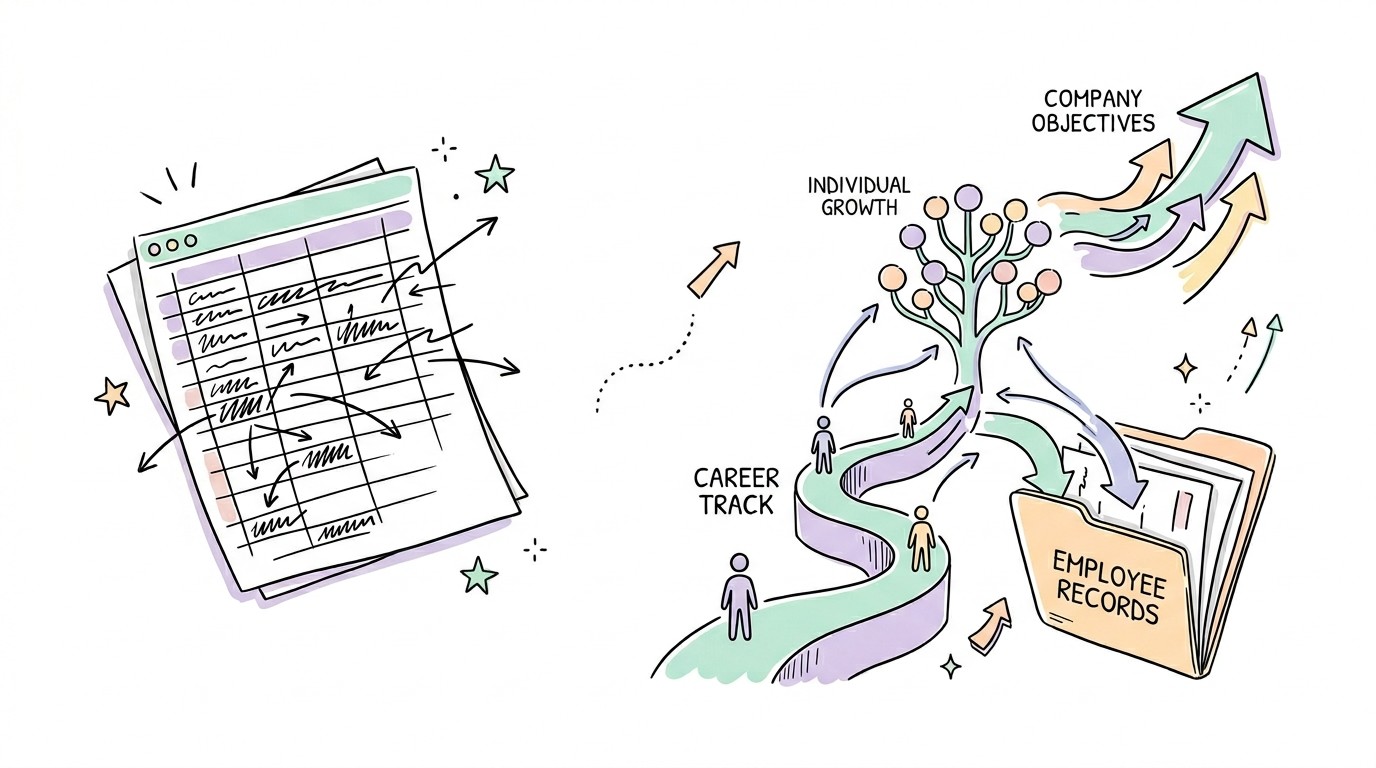
Lattice acts as a centralized hub for every interaction between a manager and their direct report. It makes the transition from a coach to a mentor much easier for your leadership team.
Implementation
To set this up, sync your HRIS to import employee data. Then, map your core competencies to specific departments before launching your first quarterly goal cycle.
Select a pilot department to test the OKR cascading feature.
Customize review templates to include your company's core values.
Connect the Slack integration to ensure feedback happens where work lives.
Use the analytics dashboard to identify high-potential employees early.
Tip: Start with one simple goal for every employee to prevent platform shock during the first month of adoption.
2. Effy AI: Review Automation In Under Two Minutes
Effy AI is built for the small business owner who hates administration. It promises to get your review cycle running in about the time it takes to brew a pot of coffee.
Speed-to-value is the primary selling point here for teams that do not have a dedicated HR tech manager.
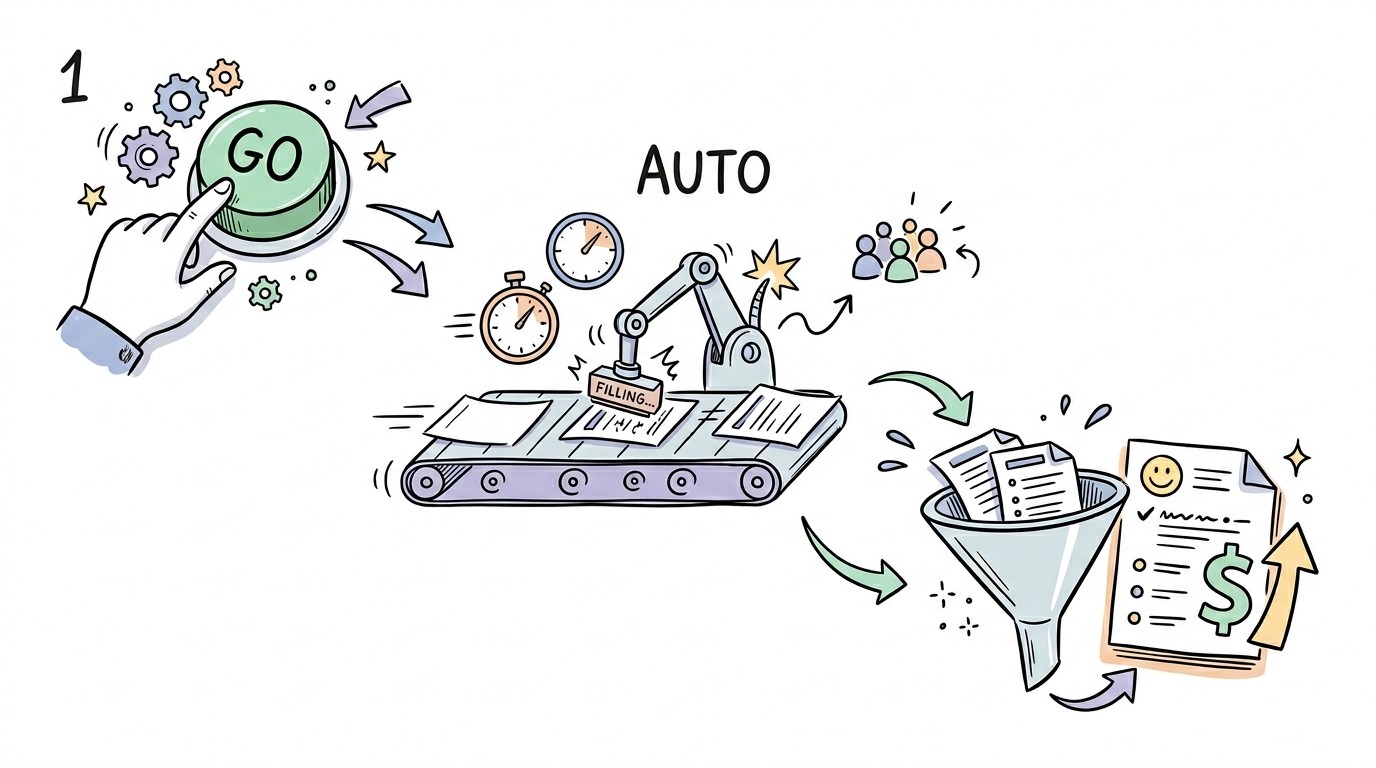
The AI writing assistant helps managers turn bullet points into professional, constructive feedback. This removes the blank page syndrome that causes review delays.
90 seconds to generate a complete performance review form.
Implementation
Sign up with your professional email and select a pre-built review template. Invite your team via a single link and let the AI summarize the results into actionable reports once everyone finishes.
3. 15Five: Continuous Feedback For Culture-First Teams
15Five focuses on the relationship between the manager and the employee through weekly check-ins. It prioritizes the human element of performance management.
The platform ensures that goals are never out of sight by making them part of every conversation. This prevents the end-of-year surprise where employees find out they missed the mark.
Implementation
Configure your High5 settings to encourage peer-to-peer recognition immediately. Set up mandatory weekly check-in questions that prompt employees to update their OKR progress every Friday afternoon.
4. Profit.co: Deep OKR Tracking For Strategy Junkies
Profit.co is designed for organizations that eat, sleep, and breathe strategy. It offers the most robust OKR tracking functionality in the SMB market.
The platform introduces a Say-Do ratio, which measures the gap between what an employee commits to and what they actually deliver. Execution becomes a measurable metric rather than a vague feeling.
Implementation
Use the Cascading Goals feature to link top-level company objectives down to individual tasks. Set up the Reflect boards after each quarter to analyze why certain goals were missed.
If you prioritize strict OKR adherence, use the automated check-in reminders.
If you have a complex org chart, utilize the matrix management visibility settings.
If you need high-level reporting, customize the executive dashboard for weekly syncs.
5. BambooHR: The All-In-One Administrative Powerhouse
BambooHR is the standard choice for companies that want one single login for everything. It bundles performance reviews with payroll, hiring, and onboarding.
Centralizing your data reduces software fatigue for your employees. They only have to learn one interface for their paystubs and their career goals.
Implementation
Enable the Performance module within your existing BambooHR settings. Use the pre-built templates to launch a peer review cycle that automatically pulls from your existing employee directory.
Pitfall: Avoid making the performance module too administrative by forgetting to schedule the follow-up coaching conversations that the data should trigger.
6. Small Improvements: Simple Tools For Lean Budgets
Small Improvements is a budget-friendly entry point for lean teams. It focuses on core review functionality without the high price tag of more complex platforms.
You get a lightweight OKR dashboard that provides visibility into team progress. It is the logical next step for teams that have outgrown free Google Docs and need structure.
Implementation
Upload your team list and choose a simple 360-degree feedback template. Focus on the 1:1 meeting feature to keep a digital paper trail of all performance-related discussions.
Create a Kudos wall to drive engagement.
Set up a basic quarterly review cycle.
Use the private notes feature for year-round documentation.
Export summary reports for your annual compensation reviews.
7. PerformYard: Ultimate Flexibility For Unique Workflows
PerformYard is for the outliers who do not follow a standard quarterly or annual review schedule. It offers high flexibility for custom review cycles and ad-hoc workflows.
Small teams can build unique processes that fit their specific industry or culture. You are not forced into a specific methodology like OKRs if that does not fit your business model.
Implementation
Build your own form from scratch using the drag-and-drop builder. Set specific trigger dates for reviews based on hire dates rather than a fixed calendar year.
Example
A creative agency might use PerformYard to trigger a Project Retrospective review every time a specific client contract ends. This allows for real-time adjustments based on project-specific performance rather than waiting for a standard six-month window.
Choosing The Right Platform: Feature Matchup
Selecting the right tool requires balancing your specific needs with your budget.
Tool | Best For | Price Starts At | Key Strength |
|---|---|---|---|
Lattice | Scaling SMBs | $11/user | Career Tracks |
Effy AI | Speed/Admin | Free/Paid | AI Generation |
15Five | Culture/Feedback | $4/user | Weekly 1:1s |
Profit.co | OKR Execution | $7/user | Say-Do Ratio |
BambooHR | All-in-One | Custom | HR Integration |
Small Improvements | Budget | $3/user | Simple Setup |
PerformYard | Customization | $5/user | Workflow Flexibility |
How To Successfully Pilot Performance Software
Transitioning to a new platform should not feel like a second job for your HR team. A phased approach ensures that your managers actually use the tool rather than ignoring it.
Time-to-value is the most important metric during your trial period. If the team does not adopt it within the first two weeks, it will likely become shelfware.
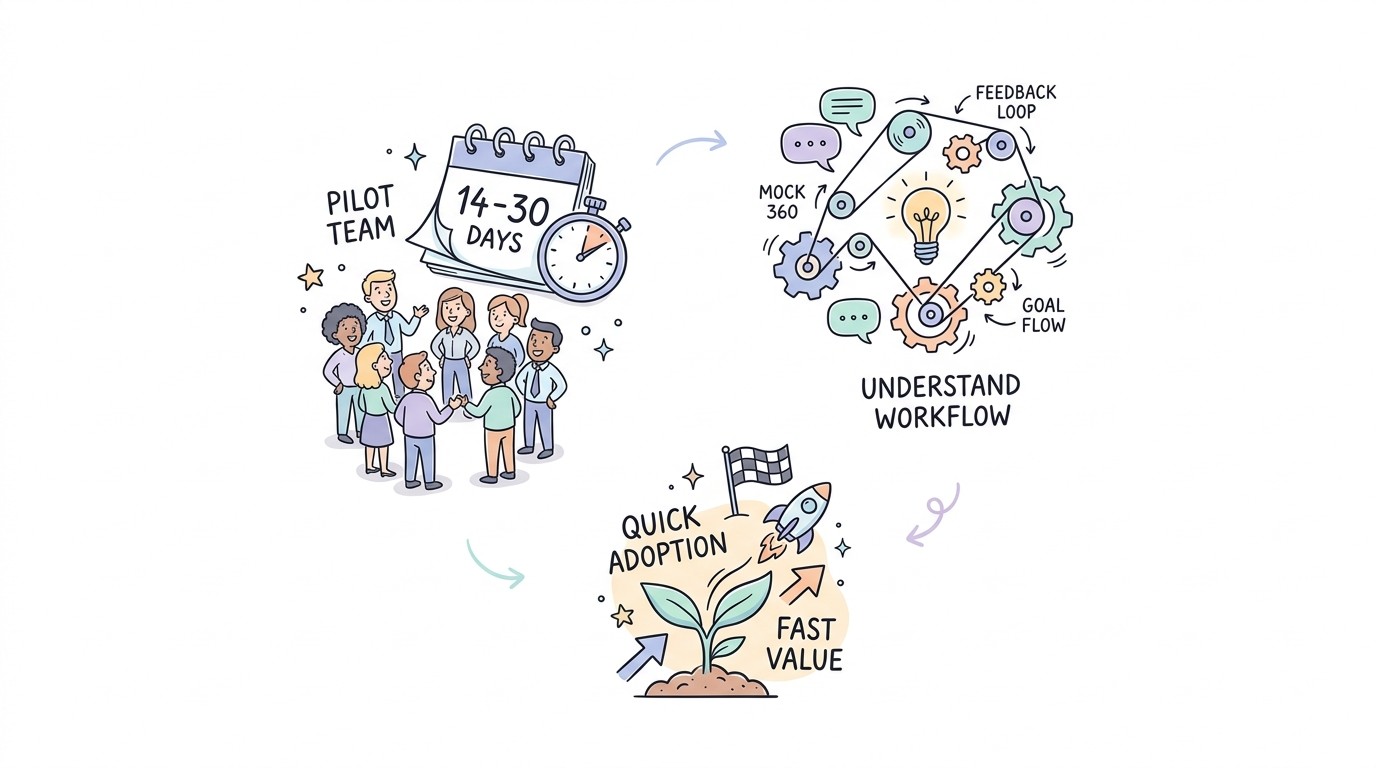
Start by identifying your core gaps, such as a lack of goal visibility or messy manual tracking. Shortlist your tools based on what you already use, such as Slack or Microsoft Teams.
Here is a walkthrough that covers the key steps:
A small pilot group of five to ten employees is the best way to test the waters. Execute a mock 360 review to see how the reports look before you roll it out to the whole company.
If you use Microsoft Teams, choose a tool with native integration like Teamflect.
If budget is the main concern, start with Small Improvements at $3 per user.
If you need payroll and performance together, BambooHR is the logical path.
If OKR execution is the top priority, Profit.co is the specialized choice.
Performance Software FAQs
How much does performance software typically cost?
Pricing for SMB-focused tools generally ranges from $3 to $15 per user per month. Most platforms offer tiered pricing based on the specific features you need, such as OKR modules or engagement surveys.
What is the best tool for a team of 50?
Lattice and 15Five are the top choices for teams of this size. They provide the right balance of depth for scaling while remaining intuitive enough for smaller management teams to handle.
Why does goal alignment matter for my bottom line?
According to research from Gallup, clear goal alignment can increase profitability by 21%. Organizations with aligned goals are also 2.4 times more likely to see high performance across the board.
Stop Reviewing, Start Aligning
Moving away from spreadsheets is not just an administrative upgrade. It is a strategic move that makes your team 2.4 times more likely to achieve high performance.
Small businesses do not have the luxury of three-month implementation windows. You must prioritize tools that offer immediate setup speed and clear goal visibility.
Stop chasing version-controlled documents and start building a culture where everyone knows exactly how they contribute to the mission. Pick one tool from this list and start a trial today.