Strategy-First Performance: Top Platforms That Sync Individual Goals with OKRs
70% of strategic initiatives fail at the execution layer. Learn how modern OKR software aligns individual performance with high-level goals to ensure your 2026 strategy actually sticks.

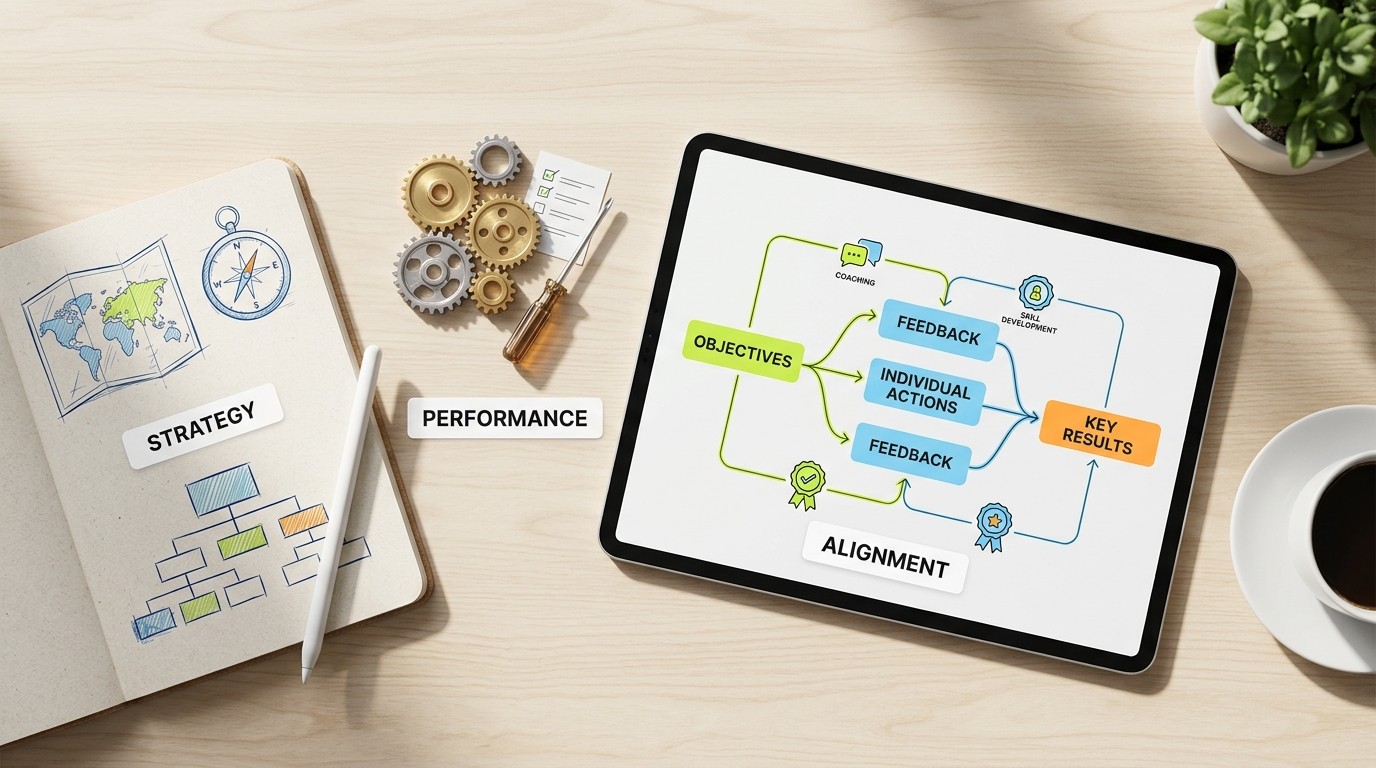
Failing at strategy is the norm, not a rare mistake. Gartner found that 70% of big plans fail when it comes time to do the work because the vision never reaches the people on the front lines.
Just 26% of workers can actually tell you how their daily tasks help the company reach its main goals. This gap turns strategy into a dusty file instead of a guide people use.
Moving to frequent check-ins replaces the old yearly review. It turns vague goals into clear results that matter every week. Choosing the best OKR and performance alignment software helps you bridge that gap between what the bosses want and what teams can actually do. The right tool makes sure every hour of work goes toward a real goal.
The Bottom Line On Performance Alignment
A good platform makes sure the time you spend at your desk actually helps the company win.
Profit.co: Best for complex enterprise strategy and long-term planning.
Lattice: Best for organizations focusing on employee experience and feedback.
Teamflect: Best for teams using Microsoft 365 and Teams exclusively.
Tability: Best for startups needing automated progress tracking.
Betterworks: Best for global scale with AI-driven goal assistance.
Engagedly: Best for data-driven talent management and role-based goals.
Why Your OKR Software Must Do More Than Track Goals
Focusing on strategy means moving away from the stiff, once-a-year review. Modern apps use ongoing check-ins to keep goals in front of everyone all year.
70% of plans fall apart during the work phase.
Feeling safe at work is a big part of this change. If people think they will get in trouble for missing big targets, they will just set easy goals to stay safe.
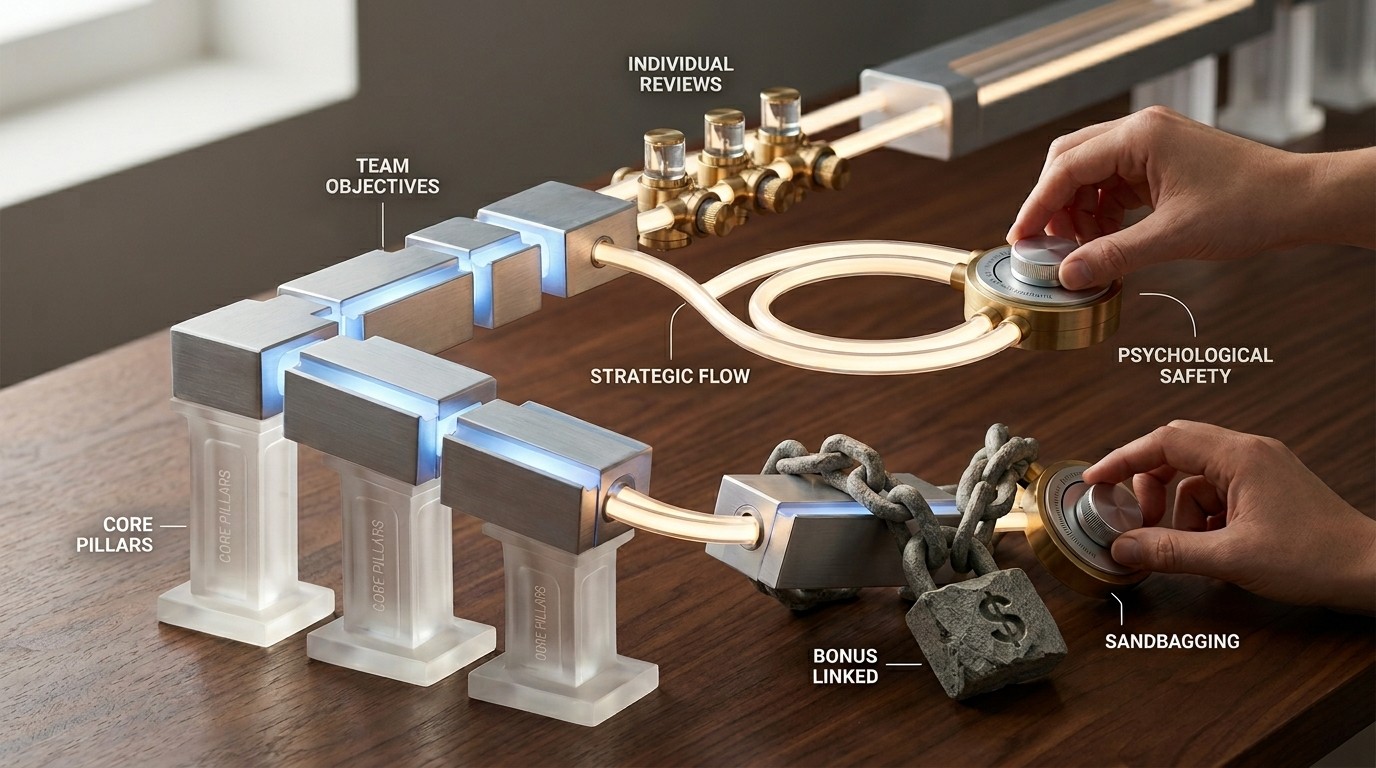
Imagine a product team at a SaaS company trying to boost retention by 15%. Without a tool to sync things, the marketing team just looked for new customers, ignoring the retention plan. This lack of visibility led to a missed goal and wasted money on leads that didn't fit the new plan.
This matters because OKRs should never be tied to pay or bonuses. Keeping pay separate from goals helps people try new things and take risks without worrying about their paycheck.
Profit.co: The Enterprise Strategy Powerhouse
Profit.co is made for companies that want to link long-term plans to daily tasks. It does more than just track numbers by offering a Strategy Room for multi-year plans.
The platform uses over 25 AI agents to help with the work and grading. These agents help teams find risks before they ruin a whole quarter of effort.
Strategy Room: Look at five-year plans alongside quarterly OKRs.
AI Execution: Get automated tips and progress scores from specialized agents.
Development Integration: Connects goal progress to how an employee grows in their career.
Implementation: Start by putting your main goals in the Strategy Room, then use Profit.co Features to pass those goals down to departments.
Tradeoff: Since it has so many features, it might take smaller teams a while to learn.
Tip: Use the Confidence Score feature to flag projects that look okay on paper but feel risky to the team.
Lattice: The Gold Standard For People-First Cultures
Lattice is great at making goals feel like a normal part of the workday. It is the top choice for companies that believe good work comes from a great culture.
By putting goals right into 1-on-1 meetings, the app makes sure people talk about them every week. This helps keep goals from being forgotten until the end of the quarter.
1-on-1 Syncing: Put active OKRs into every meeting agenda automatically.
Public Praise: Link hitting a goal to the company shout-out feed.
UI/UX Excellence: Clean design that makes it easy for everyone to use.
Implementation: Set up Lattice OKRs & Goals by picking company goals first, then have managers create team goals during their regular 1-on-1 meetings.
Tradeoff: It lacks some of the deeper project mapping tools found in heavy enterprise software.
Betterworks: Global Scale and Goal Assistance
Betterworks is built for huge companies that need to keep thousands of people on the same page. It focuses on helping people do better work rather than just watching over them.
The app has an AI Goal Assist tool that helps managers write better results. This makes sure every goal is clear and easy to measure from the start.
AI Goal Assist: Get instant tips on how to phrase and measure goals.
Global Scale: Strong settings for managing large groups of people.
Progress Summaries: AI snapshots of how teams are doing for boss reports.
Implementation: Use the AI Goal Assist during your planning phase to make sure all departments write good goals.
Tradeoff: The focus on big business makes it feel a bit too bulky for small startups with fewer than 100 people.
Teamflect: The Essential Microsoft 365 Integration
Teamflect is the best pick if your team basically lives in Microsoft apps. It saves you from jumping between too many windows because it works inside Microsoft Teams and Outlook.
Since it is built right in, people usually use it more than other apps. It is a simple, user-friendly way to replace the old Viva Goals.
Native MS Teams: Handle OKRs and reviews without leaving your chat window.
Outlook Integration: Update your progress right from your email inbox.
Zero Friction: Use your existing login to get started right away.
Implementation: Add the Teamflect app to your Teams sidebar and pin it so everyone sees it every day.
Tradeoff: You have to use the Microsoft stack to get any real value from this tool.
Engagedly: AI-Driven Talent Optimization
Engagedly uses AI to connect learning with setting goals. It looks at how people work like a data problem that needs solving.
Their AI agent, Marissa, suggests goals based on a person's job and how they worked in the past. This takes the guesswork out of planning for managers.
AI Marissa: Predictive goal ideas and performance tips.
Talent Optimization: Connects skills training with company goals.
Real-time Feedback: Helps people give and get coaching every day.
Implementation: Use the Marissa agent to check if your current goals match what your best workers have done in the past.
Tradeoff: The AI needs a lot of old data to work well.
Tability: Lean Alignment For Fast-Moving Teams
Tability fixes one big problem: the extra paperwork that makes people hate using OKRs. It is designed to be the easiest way to stay on the same page.
The app uses an AI assistant named Tabby to handle check-ins and write progress reports. This keeps the team updated without needing manual reports every Friday.
Tabby AI: Automatically asks the team for updates and writes summaries.
Confidence Scoring: Looks at how the team feels about a goal, not just the percentage done.
Low Friction: Takes just minutes to set up, which is great for fast startups.
Implementation: Connect Tability to Slack and let Tabby send out the weekly reminders for you.
Tradeoff: It does not have the deep HR or pay tools found in bigger platforms.
Perdoo: Visualizing The Entire Strategy Map
Perdoo is different because it treats daily metrics and big goals as equally important. It uses a Strategy Map to show how these numbers work together.
This visual style helps every department see the big picture. It is great for seeing how different teams depend on each other to get things done.
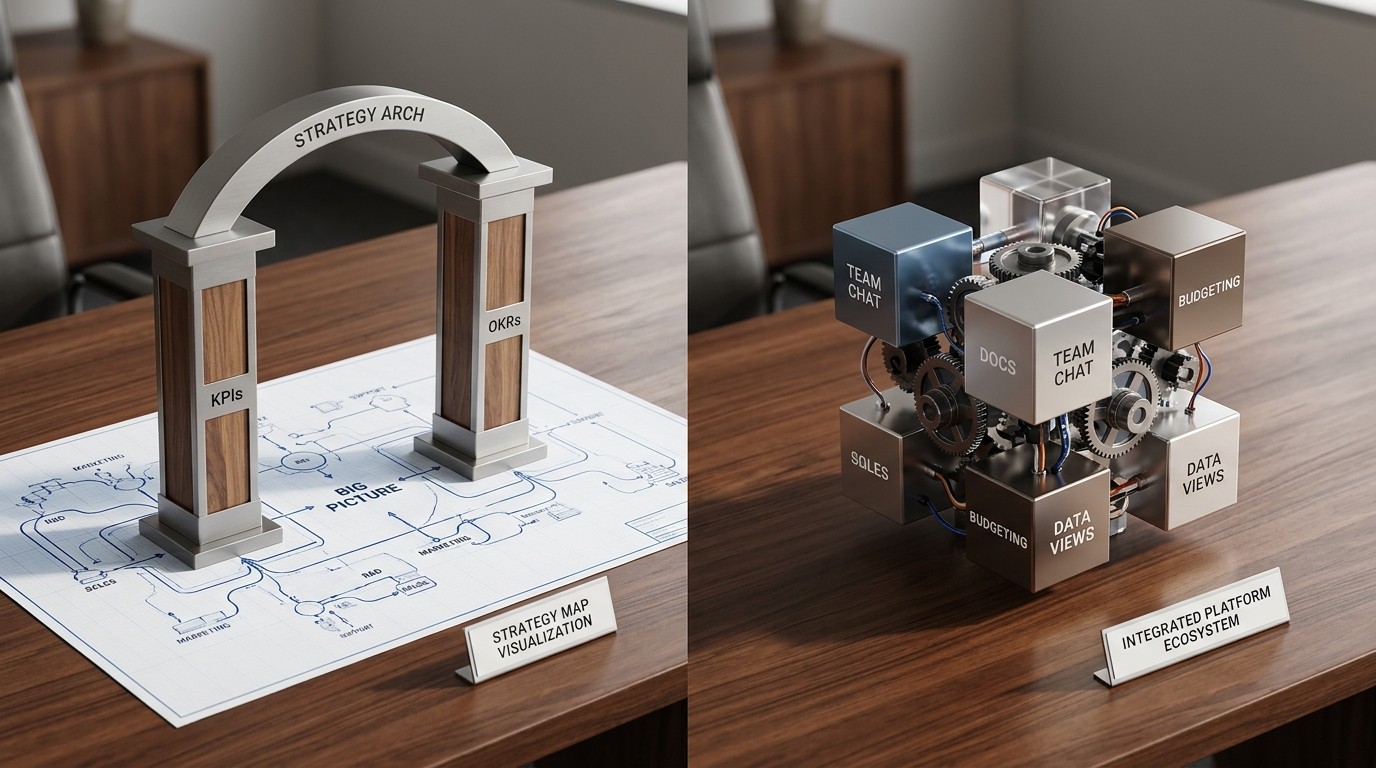
Strategy Maps: A visual way to see how daily work helps the long-term vision.
KPI Integration: Track daily business numbers alongside big growth goals.
Alignment Health: Automatically flags goals that are in trouble or need more help.
Implementation: Map your main business numbers first, then build OKRs to help move those numbers.
Tradeoff: The map view can get messy if your company structure is very complicated.
Platform Selection Matrix: Finding Your Perfect Fit
To choose the right platform, you must weigh your existing tech stack against your primary goals for performance management.
Platform | Ecosystem | AI Level | Best For |
|---|---|---|---|
Profit.co | Agnostic | Advanced | Enterprise Strategy |
Lattice | Agnostic | Moderate | Culture & Engagement |
Betterworks | Agnostic | High | Global Scaling |
Teamflect | Microsoft 365 | Basic | Teams Users |
Engagedly | Agnostic | Advanced | Talent Optimization |
Tability | Agnostic | High | Lean Startups |
Perdoo | Agnostic | Basic | Strategy Visualization |
If you use Microsoft Teams exclusively, prioritize Teamflect for better adoption.
If your focus is 5-year strategic planning, choose Profit.co.
If you need to automate reporting overhead, pick Tability.
How To Successfully Sync Strategy and Performance
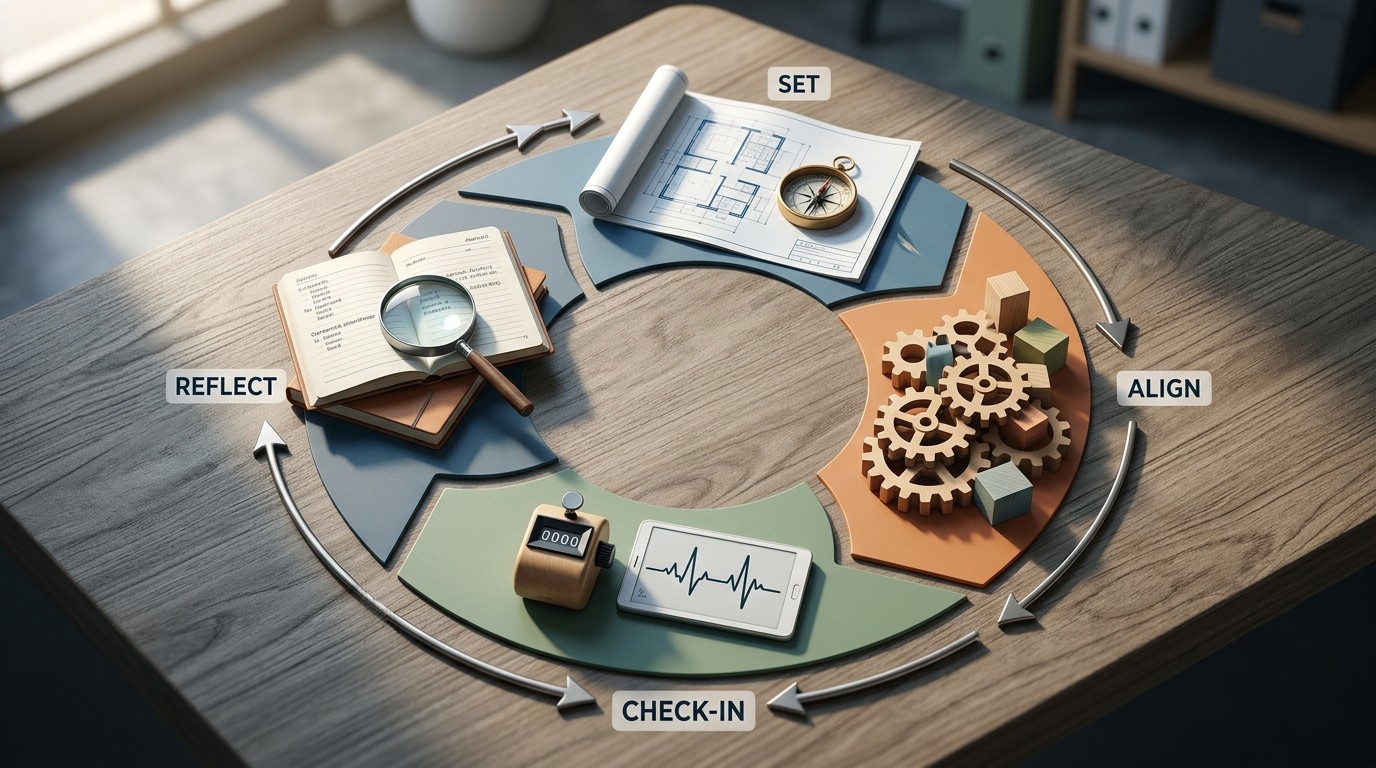
Moving your plans into a software tool should happen in stages. You can't just turn it on and expect everyone to be perfectly synced overnight.
Pick your main goals for the year at the executive level.
Choose one person to lead the software setup and training.
Pick a platform that works with the tools you already use like Slack or Teams.
Give goals to teams instead of just individuals to keep people working together.
Set a weekly time to update progress and confidence scores.
Meet every quarter to see what worked and change what didn't.
Check that everyone knows how their work helps the company.
Make sure goal updates happen every week, not once a month.
Be sure the software flags risky goals before the quarter ends.
Pitfall: Do not link OKRs to bonuses. This makes people set easy goals and stops them from trying new ideas.
Common Questions On OKR Software Adoption
Should OKRs be tied to performance reviews?
OKRs give you good data for reviews, but they shouldn't be the only reason someone gets a raise. If you link them too closely, people will set easy goals just to get their bonus.
What is the best software for startups?
Tability and Perdoo are great for startups because they are fast to set up. They focus on making progress rather than complex HR tasks.
How do OKRs differ from traditional KPIs?
KPIs show how the business is doing right now. OKRs are the specific goals you set to change or improve those numbers over time.
How often should we update the software?
Updating every week is the best way to go. This lets you catch problems early and fix things before the quarter is over.
Closing The Strategy-Execution Gap
The right OKR tool turns your strategy from a forgotten file into a guide you use every day. By linking what you do with what the company wants, you turn big ideas into real work.
Culture is what keeps things moving, but the right tool makes it happen. Pick the platform that fits how you already work and start your first cycle today.